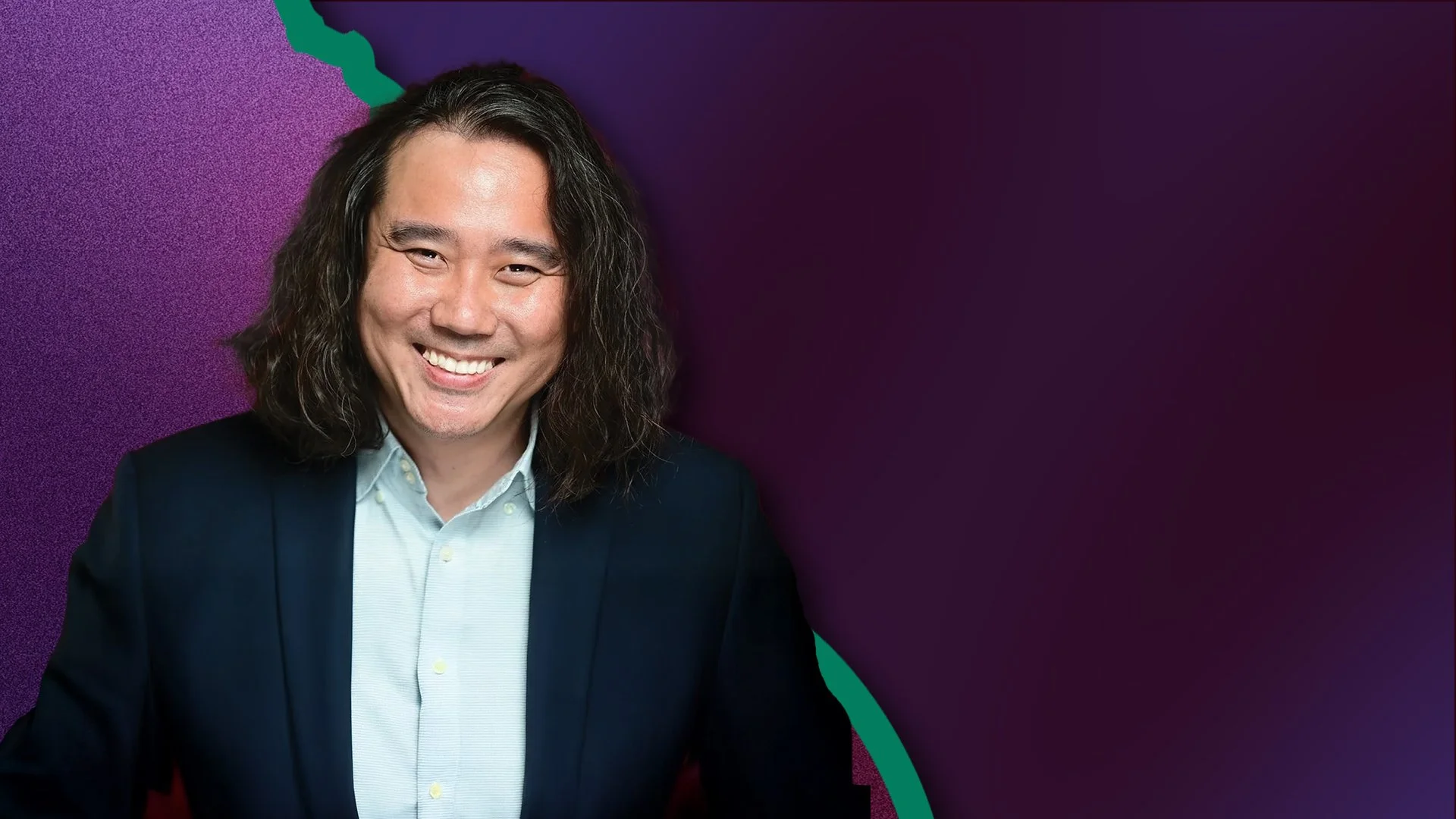
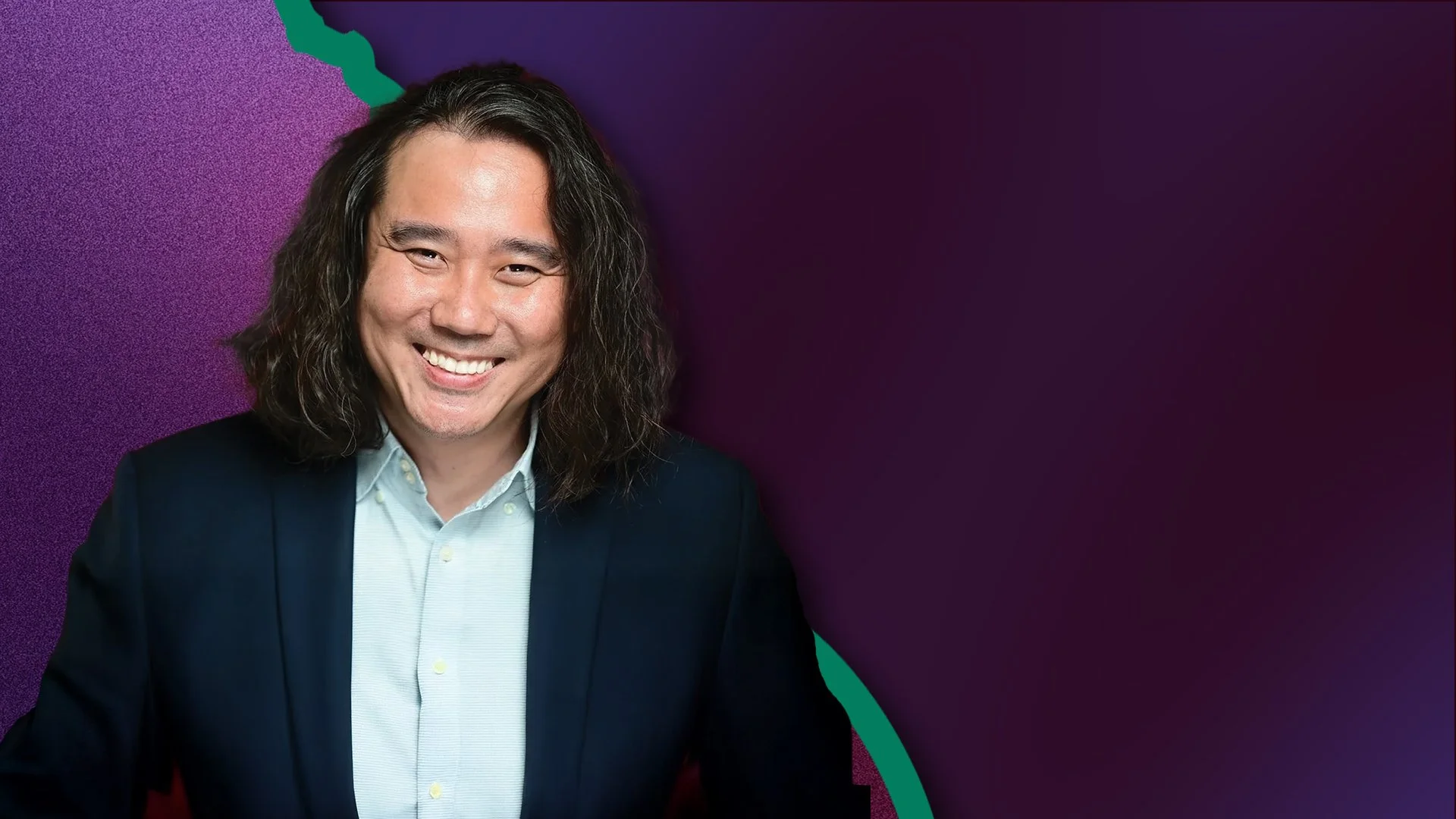

Saturday, April 18, 2026 | 7:30 pm
Keefe Center for the Arts
Our 2025-26 season is brought to you by our season sponsor:


From Our Executive Director and Board President
Dear Friends,
As we enter the second half of Symphony New Hampshire’s season, we do so with both heavy hearts and renewed determination.
Earlier this season, we lost our Board President, Dr. Don McDonah, who was a devoted leader, generous advocate, and steadfast champion of Symphony NH. Don believed deeply in the power of live symphonic music to strengthen community and elevate the human spirit. His wisdom, steady leadership, and unwavering commitment to this orchestra leave a tremendous legacy. We dedicate the remainder of this season to honoring his vision by continuing the work he cared about so deeply.
At the same time, we are navigating significant financial challenges. Like many arts organizations, Symphony NH continues to feel the impact of declining ticket sales, charitable gaming fluctuations, and loss of other traditional revenue sources. These realities require thoughtful planning, discipline, and transparency. Our Board and staff are actively working to stabilize and strengthen our financial foundation so that Symphony NH not only endures but thrives.
Even amid these challenges, there is genuine excitement and momentum. Our Music Director search continues to inspire energy and engagement throughout the organization. Each Music Director finalist brings a unique artistic voice, and each performance offers our audience an opportunity to help shape the future of Symphony NH. This process represents possibility and a chance to reimagine, renew, and build forward with intention.
We are profoundly grateful for your presence, your encouragement, and your belief in this orchestra. Your support, whether through attendance, philanthropy, or advocacy, sustains the music on our stages and the community we are privileged to serve.
Thank you for standing with Symphony NH during this meaningful and transformative season. We look forward to sharing powerful performances, honoring Dr. McDonah’s legacy, and embracing the future together.
With gratitude,

Deanna Hoying
Executive Director

Ryan Correia, Esq.
Board President



Program Schedule
Deep Forest (1933)
Piano Concerto No. 2 (1901)
With guest pianist Nathan Ben-Yehuda
I. Moderato
II. Adagio Sostenuto
III. Allegro Scherzando
--Intermission--
Black Hole Symphony (2022-2025)
With Sheperd "Shep" Doeleman, narrator
Agnes Coakley Cox, Soprano "Voice of the Universe"
1. Relativistic Jets
2. Heart of the Galaxy
3. Sound of Gravity
4. Aria - Gravity Eyes
5. Waves Coming Home

Tonight's Musicians
Violin 1
Kun Shao
Acting Concertmaster
Aleksandra Labinska
Ana-Maria LaPointe
Elliott Markow
Jane Dimitry
Amelia Perron
Violin 2
Amy Ripka
Acting Principal
Sargis Karapetyan
Lynn Basila
Leonora LaDue
Amy Rawston
Viola
Dani Rimoni
Principal
Elaine Leisinger
Seeun Oh
Elisabeth Westner
Kathleen Kalogeras
Cello
Harel Gietheim
Principal
Nathaniel Lathrop
Young Sook Lee
Alexander Badalov
Priscilla Taylor
Contrabass
Volker Nahrmann
Principal
Robert Hoffman
Greg Holt
Flute
Kathleen Boyd
Principal
Nina Barwell
Oboe
Cheryl Bishkoff
Principal
Ronald Kaye
Clarinet
Mackenzie Austin
Principal
Aleksis Martin
Bassoon
Dominic Panunto
Guest Principal
Justin Wright
Horn
Clark Matthews
Guest Principal
Kristin Olsen
Michael Weinstein
Ellen Martins
Trumpet
Richard Watson
Principal
Kathryn Driscoll
Trombone
John Niro
Guest Principal
Brandon Newbould
Bass Trombone
Sean McCarty
Principal
Tuba
Kaitlin Oresky
Guest Principal
Timpany &
Percussion
Jeffrey Bluhm
Principal
Jeff Sagurton
Timur Rubenstyn
Lauren Girouard
Harp
Maria Ren
Guest Principal
Synthesizers
Amy Lee
Electric Guitar
Colin Sapp
Audio Engineer
Vince LeRow
Electronic Drums
Sam Schmetterer

A Letter from Tianhui Ng
Music Director Finalist
Dear Friends of the Symphony,
Thank you for joining us for this evening’s program, New Hampshire Passions! The program brings together works that reflect three programming strands, which I hope you will find as fascinating as I do for an orchestra rooted in New Hampshire, passionate about music, and looking forward to the future with wonder and curiosity.
We begin with Deep Forest by Mabel Daniels, one of the earliest composers from New Hampshire to make her mark internationally, both through her music and her teaching at MacDowell. Like the American Impressionists Mary Cassatt and John Singer Sargent, Daniels applies symphonic Impressionism to the beautiful woods of New Hampshire, creating a beautiful atmospheric tone poem of mystery and color.
In Piano Concerto No. 2, Sergei Rachmaninoff gives us one of our favorites from the canon. Fall in love again with the sweeping lyricism and lush romantic outpouring of this masterwork from the Russian-born virtuoso and pianist who eventually made his home here in the United States.
We close with the New Hampshire premiere of Black Hole Symphony by David Ibbett. As Resident Composer at the Harvard-Smithsonian Center for Astrophysics, Ibbett brings a distinctive perspective shaped by close engagement with the latest scientific research. In Black Hole Symphony, he translates astrophysical data into sound, offering a striking way to experience and interpret this elusive phenomenon. The work resonates particularly in light of recent breakthroughs, including the first-ever image of a black hole in 2019, expanding how we might listen to—and imagine—the universe.
Taken together, these works move between the intimate and the vast, the familiar and the new. I hope you will enjoy this voyage from New Hampshire to the cosmos with us!
Yours truly,
Tianhui Ng

Ink Link News launched in 2014 as a paywall-free online space for news, municipal meeting coverage, happenings, events and more.
But at it's heart and soul the Ink Link is about people and possibilities. We listen to our readers so we can create real value and change through local journalism.
I invite you to join us!
Sign up below to receive our free daily email for the latest headlines. No charge. No oblication. Just news you can use.
Click for Manchester eNews
Click for Nashua eNews
Carol Robidoux/Publisher, Inklink.News
ADVERTISE ON INK LINK NEWS!
Click here or email Keith at keith@keithspiromedia.com for more information
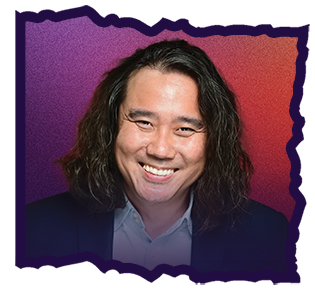
Tianhui Ng
Music Director Finalist
Hailed by The Boston Globe for transforming the experience of new music from “great to unforgettable,” conductor Tianhui Ng is celebrated for his infectious enthusiasm and his remarkable ability to communicate across cultures.
As Music Director of the New England Philharmonic, Tian founded New Music New England, an annual festival showcasing the region’s rich musical landscape. He has collaborated closely with esteemed composers such as Yehudi Wyner, John Harbison, Chaya Czernowin, and Eric Nathan.
With over 100 world premieres in the past decade, Tian takes particular pride in his work as Music Director of White Snake Projects. His performance of Cerise Jacobs and Jorge Sosa’s Alice in the Pandemic was recognized by the Library of Congress as one of the most significant artistic achievements during the pandemic.
A champion of intercultural dialogue, Tian has helped bring to life groundbreaking works such as Jerod Impichchaachaaha’ Tate’s Loksi’ Shaali’ (Shell Shaker)—the first opera sung entirely in a Native American language—and Olabode Omojola’s Irin Ajo (Odyssey of a Dream), which reimagines classic Yoruba opera for the modern stage.
Tian’s recording of Thomas de Hartmann’s music with the Lviv National Philharmonic of Ukraine has received international acclaim. His leadership of the Victory Players, an ensemble of the Massachusetts International Festival of the Arts, has led to numerous appearances on New England Public Media and WGBH/NPR.
His recent guest conducting engagements include performances with the Singapore Symphony Orchestra, Opera Studio of Mexico, Oklahoma City Philharmonic, Cantata Singers, Canterbury Voices, Springfield Symphony Orchestra, and Opera Grattacielo. Looking ahead to 2025, Tian anticipates conducting Vaughan Williams’s Dona Nobis Pacem, Mussorgsky’s Pictures at an Exhibition, and world premieres including Daniel Godfrey’s new piano concerto for Gloria Cheng and a climate change-themed opera by Jacinth Greywood.
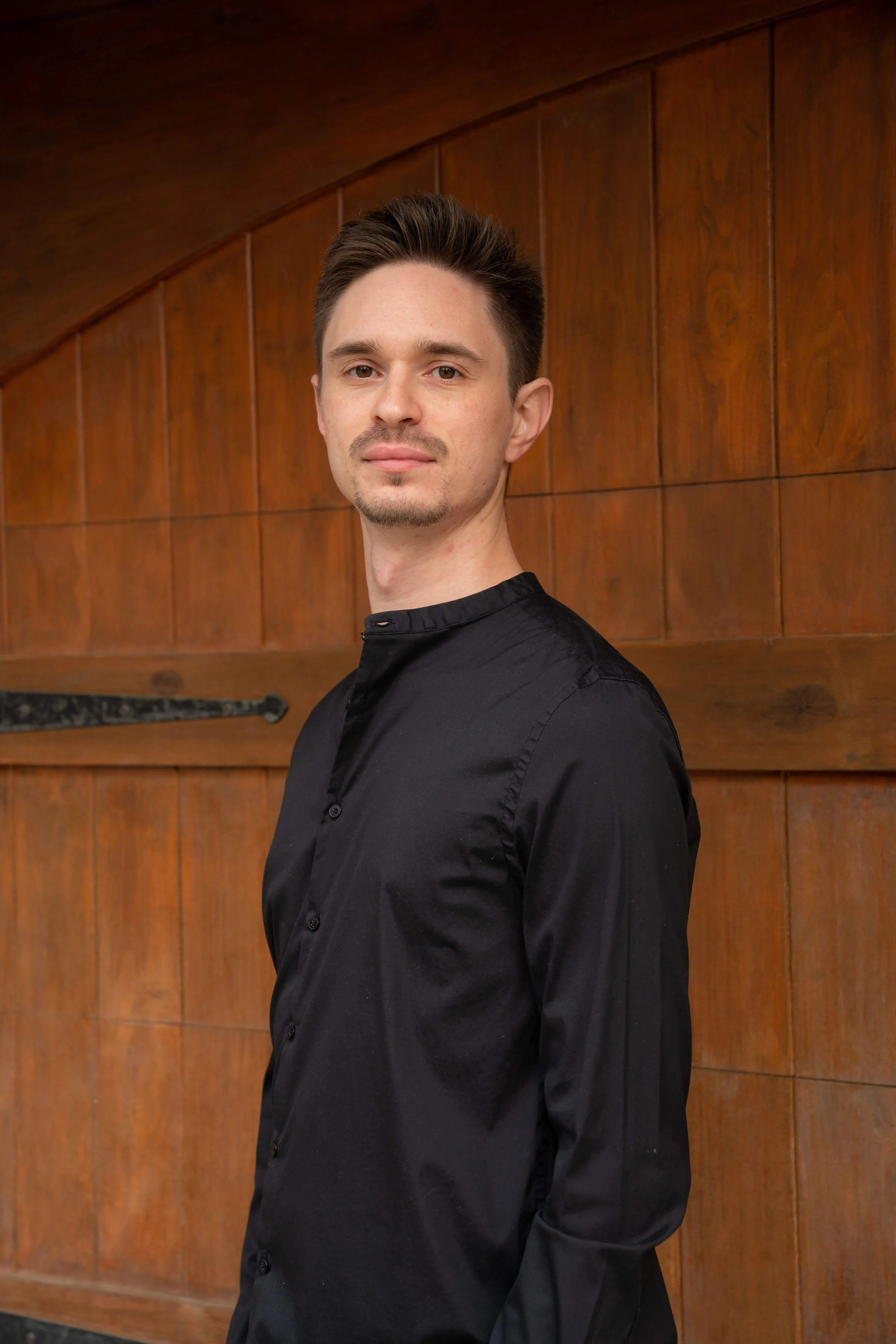
Nathan Ben-Yehuda
Guest Pianist
Nathan Ben-Yehuda is a pianist, arranger and composer based in Los Angeles. He has gained notability for his proficiency in a wide array of genres and different keyboard instruments, as well as his impassioned and probing performances.
Nathan has been a winner of the Yamaha Young Performing Artist award, and has also received 3rd prize in the Seattle International Piano Competition. He has worked closely with such composers as George Lewis, Kaija Saariaho, Oliver Knussen and Thomas Ades.
Nathan has held a fellowship at the Tanglewood Music Center, where he performed in a variety of new music and chamber music groups, and took part in a complete performance of Olivier Messiaen’s Catalogue d’Oiseaux alongside pianist Pierre-Laurent Aimard, and performed Nancarrow Studies on two pianos with composer/pianist Thomas Adès. He has been featured in live broadcasts on BBC Radio 3 “In Tune” as well as on WMHT Radio. He has appeared on Musiqu3 TV in Beligium as a competitor in the 2021 Queen Elisabeth competition. He has performed at Taos Chamber Music, invited by pianist Robert McDonald. He is also the pianist for the Victory Players, a recently formed new music ensemble based in Holyoke, MA.
In 2020, Nathan became a permanent member of Los Angeles based music collective Astral Mixtape, who perform original music and arrangements inspired by a myriad of styles. Nathan completed his Undergraduate study at the Royal Academy of Music in London, with Professor Hamish Milne, and his masters degree at the Juilliard School with Joseph Kalichstein and Jerome Lowenthal. He continued studies with Shai Wosner and Richard Goode at Bard College as part of their Advanced Performance Fellowship.

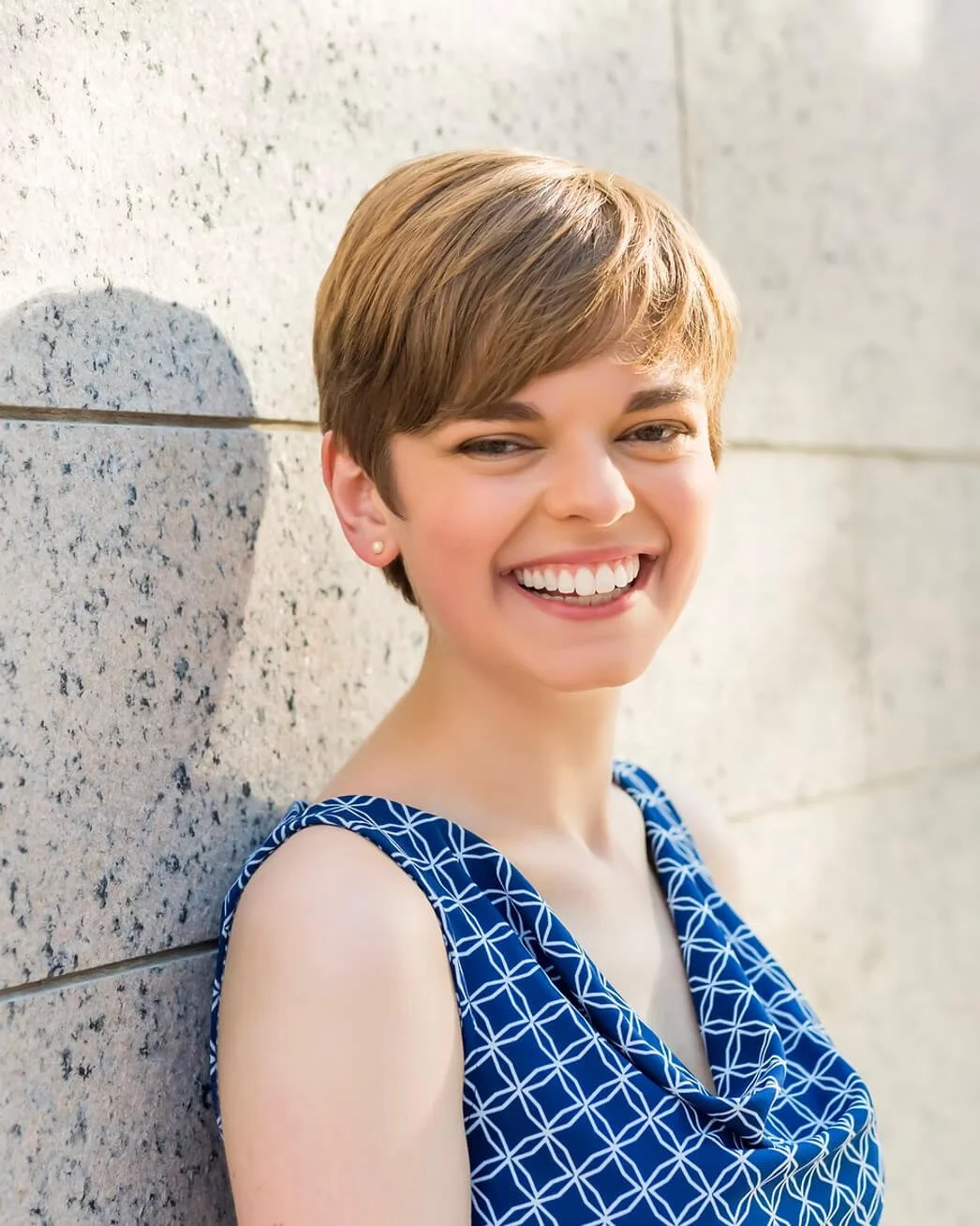
Agnes Coakley Cox
Guest Soloist
Praised for her “enchanting, glowing timbre and perfect intonation, with a good helping of theatrical spirit” (Weiler Zeitung), British-American soprano Agnes Coakley Cox is a specialist in the performance of early Baroque music and a sought-after ensemble musician.
Agnes is co-founder and co-director of the New England-based ensemble for 17th-century music, In Stile Moderno. Her desire to bring early music to life has led her to become an expert in the historical performance practice of singing, and she actively applies historical gesture, pronunciation, and ornamentation to her performances. Agnes’ singing is characterized by a genuinely expressive style, a deep level of engagement with the text, and a passion for connecting with the audience. She enjoys collaborating with early music ensembles such as Seven Times Salt, La Fiocco, Long and Away, Les Canards Chantants, MIRYAM, and Les Enfants d’Orphée.
Known for her clear, bright tone and high-caliber musicianship, Agnes is also in demand as a choral musician. Recent choral appearances have been with the Handel & Haydn Society, Ensemble Altera, Zenith Ensemble, and The Thirteen. She has also sung with the Washington Bach Ensemble, the Choir of the Church of the Advent, the Schola Cantorum of Boston, Cappella Clausura, and the Boston Camerata.
Agnes is also proud to add “voice of the universe” to her qualifications, as she lends her unerring pitch center and haunting tone quality to the new project Black Hole Symphony, a collaboration between composer David Ibbett of the Multiverse Concert Series and Boston’s Museum of Science that combines new music with an immersive planetarium experience.
Agnes teaches voice privately in the Pioneer Valley and online. An enthusiastic pedagogue, she loves making vocal technique and musicianship accessible and rewarding for all ages.
After graduating summa cum laude in Music at Yale, Agnes studied voice, historical performance practice, and pedagogy at the Schola Cantorum Basiliensis in Basel, Switzerland, where her teacher and mentor was Evelyn Tubb. Agnes lives in Greenfield, MA with her husband Nathaniel and son Simon. When she is not singing, she can be found knitting, baking, or tackling (minor) DIY projects in their 100-year-old house.
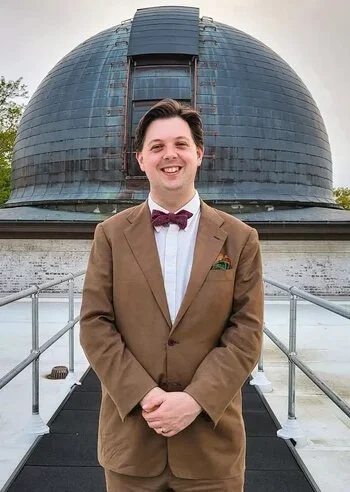
David Ibbett
Black Hole Symphony
David composes electrosymphonic music: a fusion of classical and electronic styles that interweaves influences from songs, symphonies, pop, rock and electronica. Musical strands are met with inspiration from the work of scientists: sonified data, musical metaphors for scientific concepts, and experimental sound and images from contemporary research.
In 2020, David was the first Guest Composer at Fermilab, the Fermi National Accelerator Laboratory, and on 2023, David was named the first Resident Composer at the Center for Astrophysics | Harvard & Smithsonian. In all projects, David seeks a deep collaboration with musicians, scientists, artists and performers. He has worked with physicists (Dr. Mathew Kleban, NYU), biologists (Dr. Paul Garrity, Brandeis), engineers (Dr. Irmgard Bischofberger, MIT), sociologists (Dr. Clara Han, Johns Hopkins), astrophysicists (Dr. Priya Natarajan, Yale) and oceanographers (Dr. Sarah Davies, BU). Recent works include Cellular Dance (2019) a ballet on a theme of cell movement with biologist Alexey Veraksa of UMass Boston, Octave of Light (2020) an album of exoplanet music, Black Hole Symphony (2022) and Mars Symphony (2024) orchestral journeys through spacetime for planetariums and orchestral performances nationwide.
He has performed science symphonies at science museums nationwide, the National Academy of Sciences, Center for Astrophysics | Harvard & Smithsonian, Fermi National Accelerator Laboratory and the NASA Jet Propulsion Lab.
David studied at Clare College Cambridge with Giles Swayne, the Guildhall School of Music & Drama with Julian Anderson, and completed his Ph.D. at the University of Birmingham (UK) with Jonty Harrison and Scott Wilson. His fascination with electronic music began in 2008 when he undertook a residency at the Aldeburgh Music Festival with Jonathan Harvey – an inspirational teacher and pioneer in the field. In 2014 he moved from London to Boston, USA, where he lives with his wife Sarah and three children. His lifelong passion for science began with his father, Dr. Roger Ibbett, who is a research chemist in Nottingham, UK. David mentors young composers at his home studio. His students have performed at Yamaha’s NJOC, the BBC Young Proms, and placed first in the MMTA composition competition in State and Regional levels.
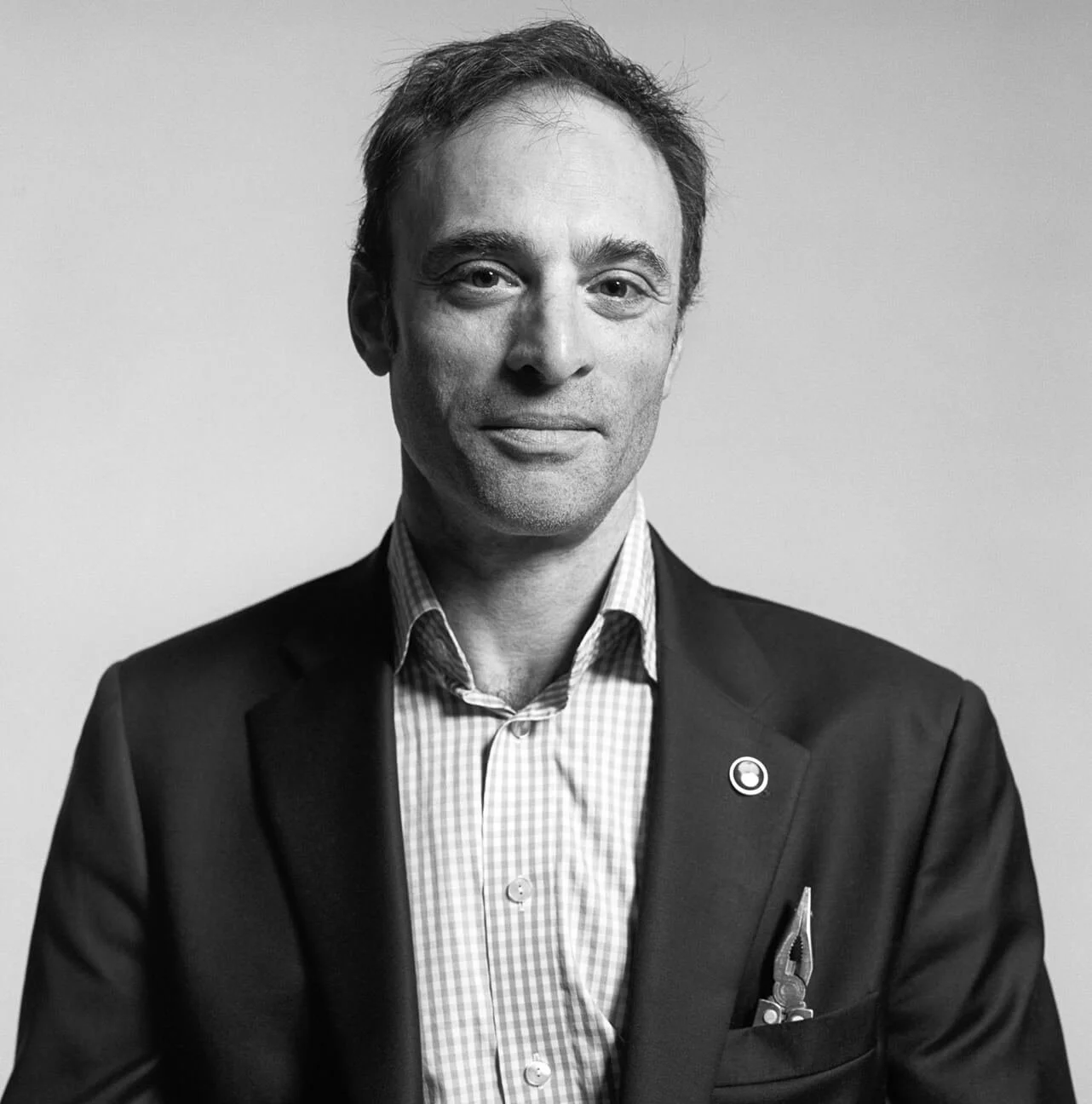
Sheperd Doeleman
Astrophysicist
Sheperd S. Doeleman is an Astrophysicist at the Center for Astrophysics | Harvard & Smithsonian and the Director of the Event Horizon Telescope (EHT), a synchronized global array of radio observatories designed to examine the nature of black holes. Shep Doeleman is also a Harvard Senior Research Fellow and a Project Co-Leader of Harvard’s recently established Black Hole Initiative (BHI). The BHI is a first-of-its-kind interdisciplinary program at the University that brings together the disciplines of Astronomy, Physics, Mathematics, Philosophy, and History of Science to define and establish black hole science as a new field of study.
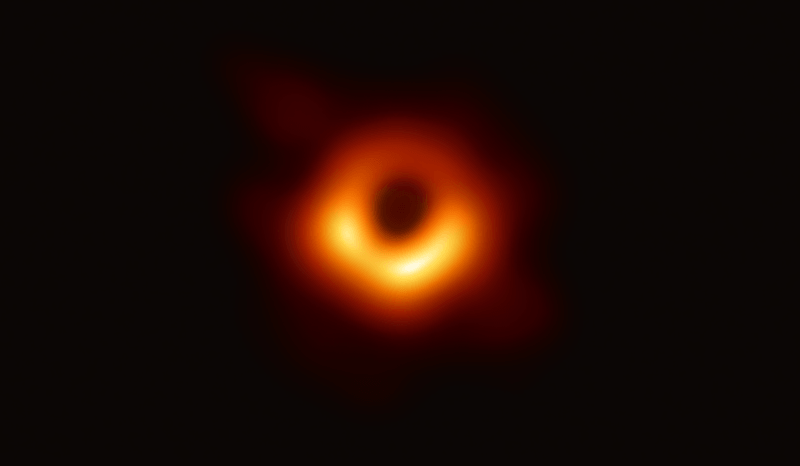
First image of a black hole, 2019

Deep Forest
Mabel Daniels
Born 27 November 1877 in Swampscott, Massachusetts
Died 10 March, 1971 in Cambridge, Massachusetts
Approximate duration 8 minutes
Peterborough’s MacDowell, founded in 1907 by the American composer Edward MacDowell and his wife, pianist Marian Griswold MacDowell as the MacDowell Colony, is an artist residency program dedicated to nurturing the creative impulse. Its fellows include visual artists, architects, writers, film makers, interdisciplinary artists and composers.
Mabel Daniels spent an astounding 24 summers in residence at MacDowell, starting in 1914. Like the program’s namesake founder, she delighted in her bucolic surroundings there. At MacDowell she composed her best known orchestral piece, Deep Forest, in 1930. A single movement tone poem, the work opens swathed in shadow and mystery. Whole tone scales, prominent woodwind solos, and a major role for harp connect it to the world of Debussy’s Prélude à l’après-midi d’un faune; Daniel’s delicate orchestration and improvisatory writing suggest the influence of Lili Boulanger’s D’un matin du printemps. In an animated middle section, the strings’ assumption of a new theme help drive the work to an initial climax. Daniels shows an impressive command of the orchestra’s dramatic potential, using silence effectively to help decompress her music back to the mood of its tranquil opening. We are transformed by this eventful journey through the dark forest.
Though she is a footnote in American music today, Daniels was well known for her choral works during her lifetime. She was an accomplished soprano who sang in the Glee Club during her undergraduate years at Radcliffe, writing operettas for the group. After graduating, she studied composition with George Whitefield Chadwick, then score-reading with Ludwig Thuille in Munich. Daniels taught at Simmons College until 1918, after which she focused on composing. Tufts University awarded her an honorary degree in 1933; Boston University followed with the same honor in 1939.
Instrumentation: woodwinds in pairs, 4 horns, 2 trumpets, 3 trombones, tuba, timpani, glockenspiel, suspended cymbal, gong, harp, and strings
Piano Concerto No. 2 in C minor, Op. 18
Sergei Rachmaninoff
Born 1 April, 1873 in Oneg, Novgorod District, Russia
Died 28 March, 1943 in Beverly Hills
Approximate duration 33 minutes
The opening of Rachmaninoff’s Second Piano Concerto is one of the marvels of the literature. With no orchestral preparation, the pianist plays a series of quiet chords in F minor, alternating with a low F in the most sepulchral region of the keyboard. Seven times we hear the chord, each time with a slightly different harmony and another response from that low F. Each time the exchange takes place, the volume increases slightly. The eighth time, now quite loudly, the pianist thunders another big chord, then three portentous notes leading to a decisive landing on C. It is the first time Rachmaninoff has tipped his hand that his concerto is in C minor. His opening ploy has been a red herring, teasing us, building suspense, putting us on the edge of our seats, waiting for a door to slam, a shoe to drop – or a rocket to blast off.
Takeoff, as it happens, is immediate. The piano is off and running in a swirl of arpeggios. The orchestra, hitherto silent, plunges in with the passionate first theme, and the tapestry of Rachmaninoff’s music comes into focus. His remarkable opening is one of the most dramatic and original in the concerted literature. That simple, eight-bar piano introduction throws down a gauntlet, declaring the soloist’s hegemony from the orchestra, yet paradoxically indicating his codependence. He requires the orchestra to anchor the home tonality and the principal theme, thereby providing the framework for the pianist’s activity.
The relationship between piano and orchestra in this concerto is unusual. Throughout the work, Rachmaninoff entrusts most of the melodies to the large ensemble, while the piano takes a decorative, textural role. Keyboard provides lush embroidery for the dense fabric of the music. No transparent muslin or sturdy denim here. Rachmaninoff’s luxuriant materials are velvet, satin brocade, silk moiré and ermine trimming.
By the skin of its teeth, the Second Concerto is a 20th-century work. Rachmaninoff composed it in 1900 and 1901. For practical purposes, however, this is a late Romantic concerto in the tradition of the 19th-century virtuoso. What distinguishes it is glorious piano writing and Rachmaninoff’s increased skill in handling orchestral resources. He also strikes a fine balance between Russian gloom and rhapsodic ecstasy. It is little wonder that so many popular songs of the 1930s and 1940s were based on this concerto’s themes.
This concerto was a breakthrough work. It marked Rachmaninoff’s emergence from a deep depression that had gripped him for three years, following the disastrous premiere of his Symphony No.1. It also boosted his international reputation as a master of the concerto, affirming his genius to a broad public.
Instrumentation: woodwinds and trumpets in pairs, four horns, three trombones, tuba, timpani, solo piano and strings.
Program Notes
Written by Laurie Shulman
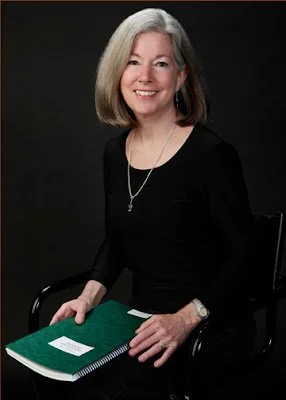
Laurie Shulman, PhD
Classical Program Annotator
Laurie Shulman is a nationally known program annotator. She furnishes program notes to orchestras and chamber music series throughout the USA. She is the author of The Meyerson Symphony Center (UNT Press, 2000) about Dallas’ superb concert hall.
Laurie studied European History as an undergraduate, subsequently earning an M.A. and Ph.D. from Cornell University in historical musicology. A native of New York, she lived in Dallas TX for 30 years before moving to Charlottesville, Virginia in 2015. She is a dedicated amateur pianist who loves playing chamber music.
David Ibbett - Composer
Black holes have long fascinated us — challenging our very notions of space and time. At the center of almost every galaxy is a black hole at least a million times more massive than our Sun! Instead of solely conjuring up images of menacing engines of destruction, we now know that they are powerful engines of light and creation — spinning matter into accretion disks that launch jets of relativistic plasma that shoot thousands of lightyears into intergalactic space.
Our goal with Black Hole Symphony is to share the story of black holes in an immersive experience - for everyone - combining music, science, and groundbreaking Planetarium visuals.
Black holes are the silent conductors of an unfolding cosmic symphony.
From their first meeting in 2018, Composer David Ibbett and Astrophysicist Anna Barnacka decided to combine forces of music and science and create a 5-movement narrative that takes us on a journey through spacetime, traveling back billions of years to a moment when the stars were outshined by the activity of supermassive black holes at the centers of galaxies. Quickly the idea became reality when the team was joined by James Monroe and his team from the Museum of Science, Boston. The mission to create the most immersive fusion of science, art, and music in the universe began!
This journey is only possible through the unlimited power of human imagination and collaboration with a team of amazing scientists from the Center for Astrophysics | Harvard & Smithsonian and Black Hole Initiative, world- class musicians in orchestras around the world, and visual creative talent from the Museum of Science, Boston.
We invite you to join us and experience the wonder of our universe.
Program Notes
Black Hole Symphony

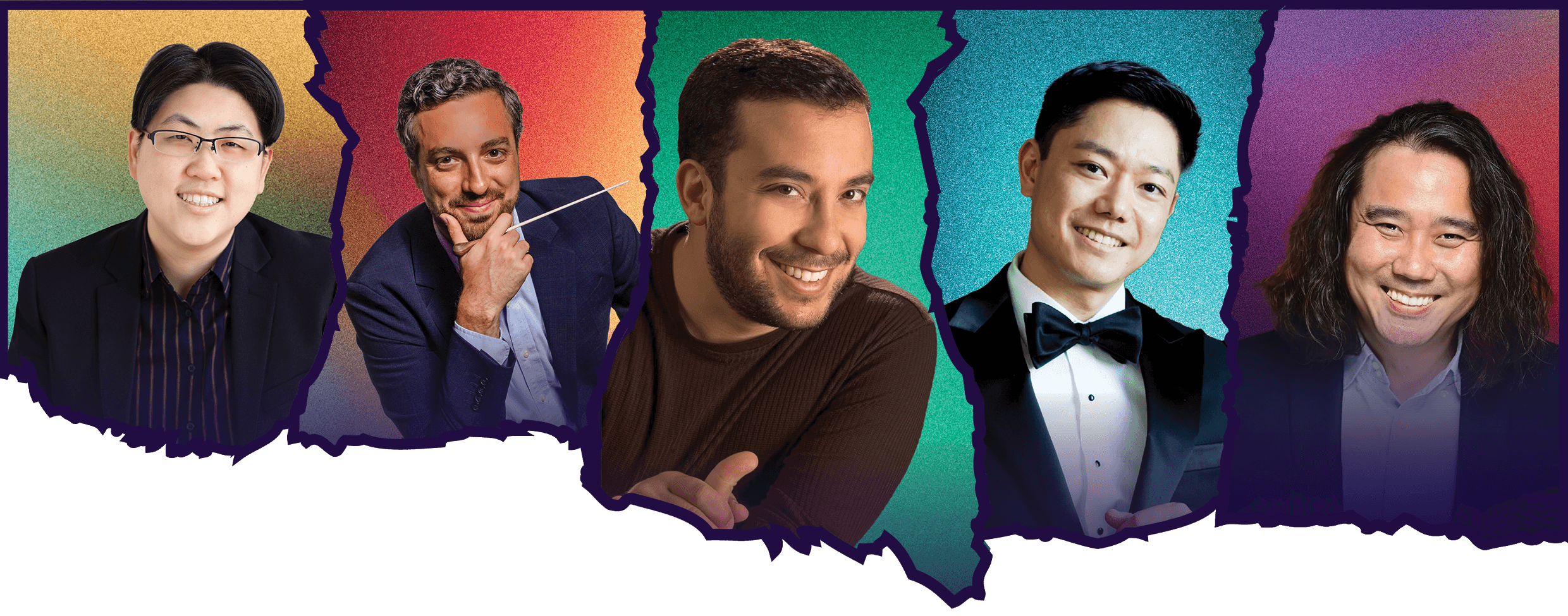
Look out for next season!
As this season draws to a close, we invite you to look ahead with us to an exciting new chapter. This fall, we continue our Music Director Finalist concert series, welcoming exceptional conductors to the podium as they help shape the future of Symphony NH. Each performance offers a unique artistic vision and a chance for you to be part of this important journey. Stay tuned for the full season announcement—you won’t want to miss what’s next.
This Season's Musicians
Violin
Jiuri Yu
Acting Concertmaster
Kun Shao
Principal Second
Amy Ripka
Assistant Principal Second
Lynn Basila
Jane Dimitry
Nancy Goodwin
Sargis Karapetyan
Aleksandra Labinska
Leonora LaDue
Ana-Maria LaPointe
Elliott Markow
Katharina Radlberger
Viola
Dani Rimoni
Principal
Elaine Leisinger
Assistant Principal
Seeun Oh
Elisabeth Westner
Kathleen Kalogeras
Cello
Harel Gietheim
Principal
Nathaniel Lathrop
Assistant Principal
Alexander Badalov
Young Sook Lee
Priscilla Taylor
Bass
Volker Nahrmann
Principal
Robert F. Hoffman
Flute
Kathleen Boyd
Principal
Nina Barwell
Oboe
Cheryl Bishkoff
Principal
Ronald Kaye
English Horn
Kyoko Hida-Battaglia
Clarinet
Mackenzie Austin
Principal
Hyunwoo Chun
Bassoon
Michael Mechanic
Principal
Sally Merriman
Horn
Steven Harmon
Principal
Kristin Olsen
Michael H. Weinstein
Ellen Martins
Trumpet
Richard Watson
Principal
Trombone
Jude Morris
Principal
Wes Hopper
Sean McCarty
Tuba
Takatsugu Hagiwara
Principal
Timpani & Percussion
Jeffrey Bluhm
Principal

Annual Fund Contributors
Donations are from July 1, 2024 through June 30, 2025
Conductor's Circle
Maestro $10,000+
Bob Oot and Carol Robey
Jolie Blauvelt
Marshall and Elena Jespersen
Pat Clancey and Dick Iannacone
Patricia Thurber
Benefactor $5,000-9,999
Calann and Robin Hertel
Francoise and John Rein
Jim and Ann Conway
Michelle Earnestv
In honor of Davis and Patricia Thurber
Peter and Barbara Letvinchuk
Virtuoso $3,000-4,999
Mueller Hoisel Wanger Charitable Foundation
Terry and Linda Robinson
Up to $99
Anonymous
Andrew Pinard
Carey Cahoon
Cassandra Mason
Elizabeth and John Cepaitis
Elizabeth Hughes
Francine Davis-Campano
Glenda and Ed Fischer
Jeanne Bausha
John Furlong
Julie Kopser
June Haskell
Kathy Slosek
Kim and John Bull
Leigh Chervenka
Leonard Ruvinsky
Liz and Garth Fletcher
Lois Grant
Mark Webb
Pamela Magrath
Rae Easter
Robert Pouliot
Rosemary Clough
Sofia Nikas
Stephen and Barbara Pugh
Susan LeVan
William White
Yoko Sekita
Friend $100 - 249
Anonymous
Ailie Byers
Alexandra Shaplyko
Allan and Ruth Kabel
Anne-Marie Pelkey
Arthea Bellavance
August and Joyce Westner
Bette and Elliot Lasky
Bobbye Bartels
Bruce Wilburn
Carol Ace
Cynthia Ross
Daniel Blazej
Don and Cindy Ross
Donna Kraus
Edward and Monique Fisichelli
Jack and Sherry Dutzy
Jackson and Patricia McLaughlin
James Pidacks and Judith Murray
Jane Jones
Janice and James Harrison
Jean and Benjamin Horne
Jean Bae
Judith and Michael Salter
Kirke and Michelle Wheeler
Lee Bory
Leonora LaDue and Mark Goldstein
In honor of Marilyn LaDue
Lindsey Humes
Mary Licking
Mary McLaughlin
Mary Mechling
Meghan Brady and Paul Bergeron
Michael and Betty Lenehan
Nancy Cellini
Nancy Linsley
Nick Adams
Olga Usyk
Patricia and Roy Hugenberger
Paul Farrell
Paul Rivenburgh
Rachel Paquette
Richard Fischer
Dr. Roger C. and Carol D. Brooks
Romeo Danais
Walter Schier
Associate $250 - 499
David Heath
Deborah Stone
Diane Keyes
Dr. Roger C. and Carol D. Brooks
Emile Tetu
James and Barbara Battis
Jim and Lynda Petropulos
John Schulte
Larry and Cheryl Morgan
Lindsey Humes
Nancy M Linsley
Pat Turcotte
Paul Farrell
Rachel Paquette
Shahriar and Mona Movafaghi
Sylvia Lundberg
Sustainer $500 - 999
Carl and Tina Andrade
Diane and John Koutsos
Geri and Bob Boisvert
Jacqueline Okonak
Jean and Frank Holt
John Daniels
Katherine and Frank Morneau
Mary Ann Melizzi-Golja and Bogdan Golja
Pamela Mattaliano
Rebecca Kadish and Robert Levine
Patron $1,000 - 2,999
Anonymous
Ashwini Saxena
Bob and MaryLou Blaisdell
Cam McGurk
Carol Kreick
Donald and Catherine McDonah
Dort LLC
Gabor and Galina Szakacs
Hal Clark and Karen Hays
Helen and Doug Morris
Jane Harrington
Janet Brown
Jay and Toni Dinkel
Karen and Joseph Kenny
Marcia Donaldson
Mark Tremallo and Wellner Poppe-Tremallo
Mary Jordan
Marzen LLC
Neeraj and Alka Sen
Richard Ingram and Valerie Smith
Robert and Judy Carlson
Ryan and Laura Correia
Tamposi Foundation

Corporate and Foundation Support
Season Sponsor
Presenting Sponsors


Maestro Sponsors


Community Partner

Media Partners



With Additional Support From
The Demoulas Foundation
Samuel P. Hunt Foundation
The McIninch Foundation
Frederick Smyth Institute of Music
RBC Foundation
Conway Arena Ice Commission
Trustees
Joe Kenny, Esq.
Jasmine Pandit
Dr. Ashwini Saxena
Don Smith-Weiss
Gabor Szakacs
Officers
Ryan Correia, Esq., President
Open Position, Vice President
Dr. Robert Oot, Treasurer
Olga Usyk, Secretary
Board of Trustees & Staff
Ex-Officio Members
Deanna Hoying – Executive Director
Lisa Burk-McCoy – Director of Development
Sally Merriman – Symphony NH Players’ Committee Representative
Kathleen Kalogeras – Symphony NH Players’ Committee Representative
Symphony NH Staff
Deanna Hoying, Executive Director
Lisa Burk-McCoy, Director of Development
Joseph DuBose, Orchestra Librarian | Personnel Manager
Paul LaFlamme, Production Manager
Tim Pace, Senior Marketing Manager | Graphic Design
Kip Sheedy, Usher Coordinator